
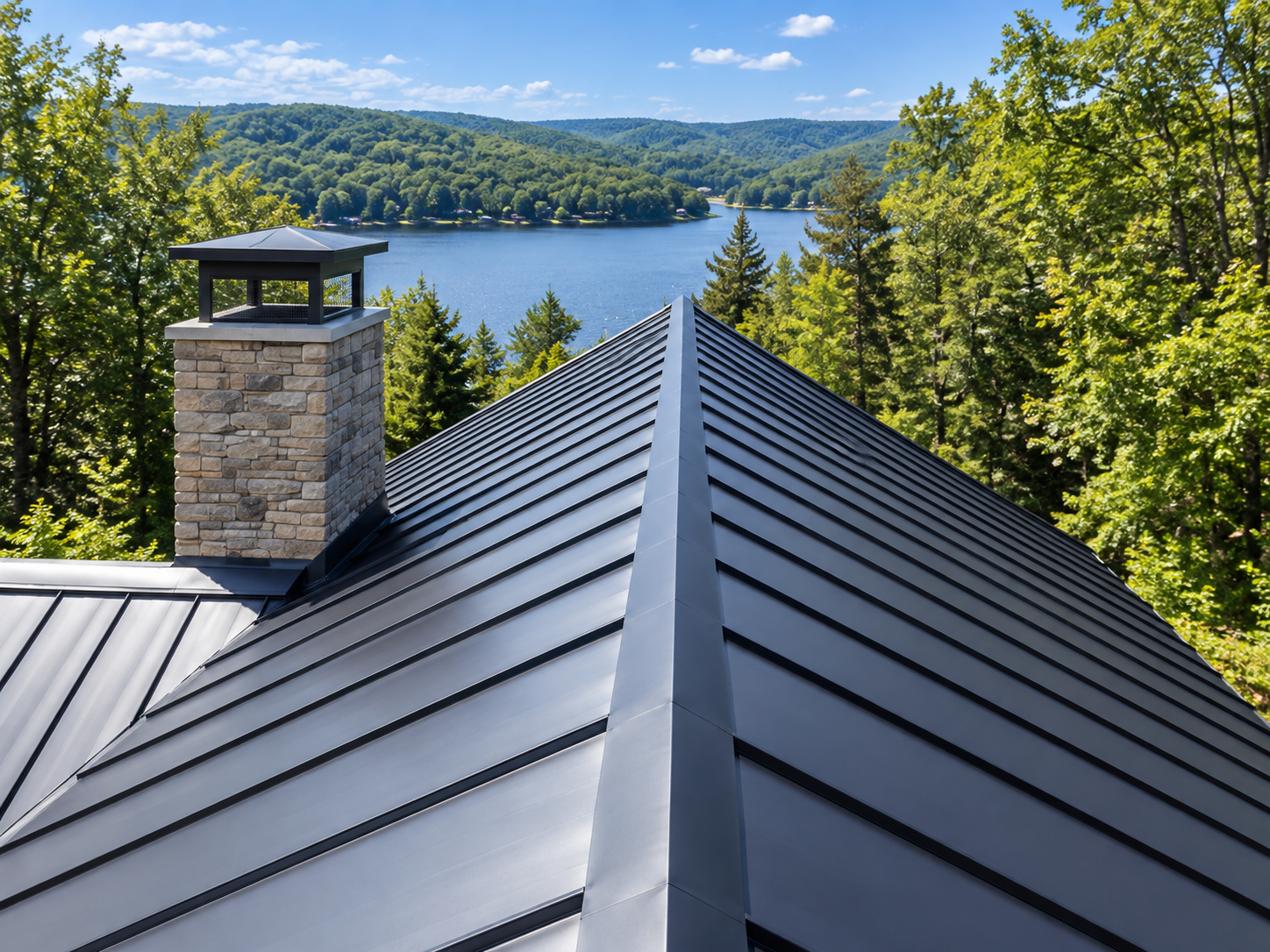
Standing-seam metal roofing is a premium roof system built around concealed fasteners, continuous metal panels and carefully detailed seams. The finished price can vary substantially from one property to another, so the most useful way to think about cost is as a planning range—not a one-size-fits-all number.
What is standing-seam metal roofing?
Standing-seam systems use metal panels with raised vertical seams and concealed fastening. Because the primary fasteners are protected beneath the panel system rather than exposed through the roof surface, the finished assembly has a cleaner architectural appearance and fewer exposed penetrations to maintain.
What drives the installed price?
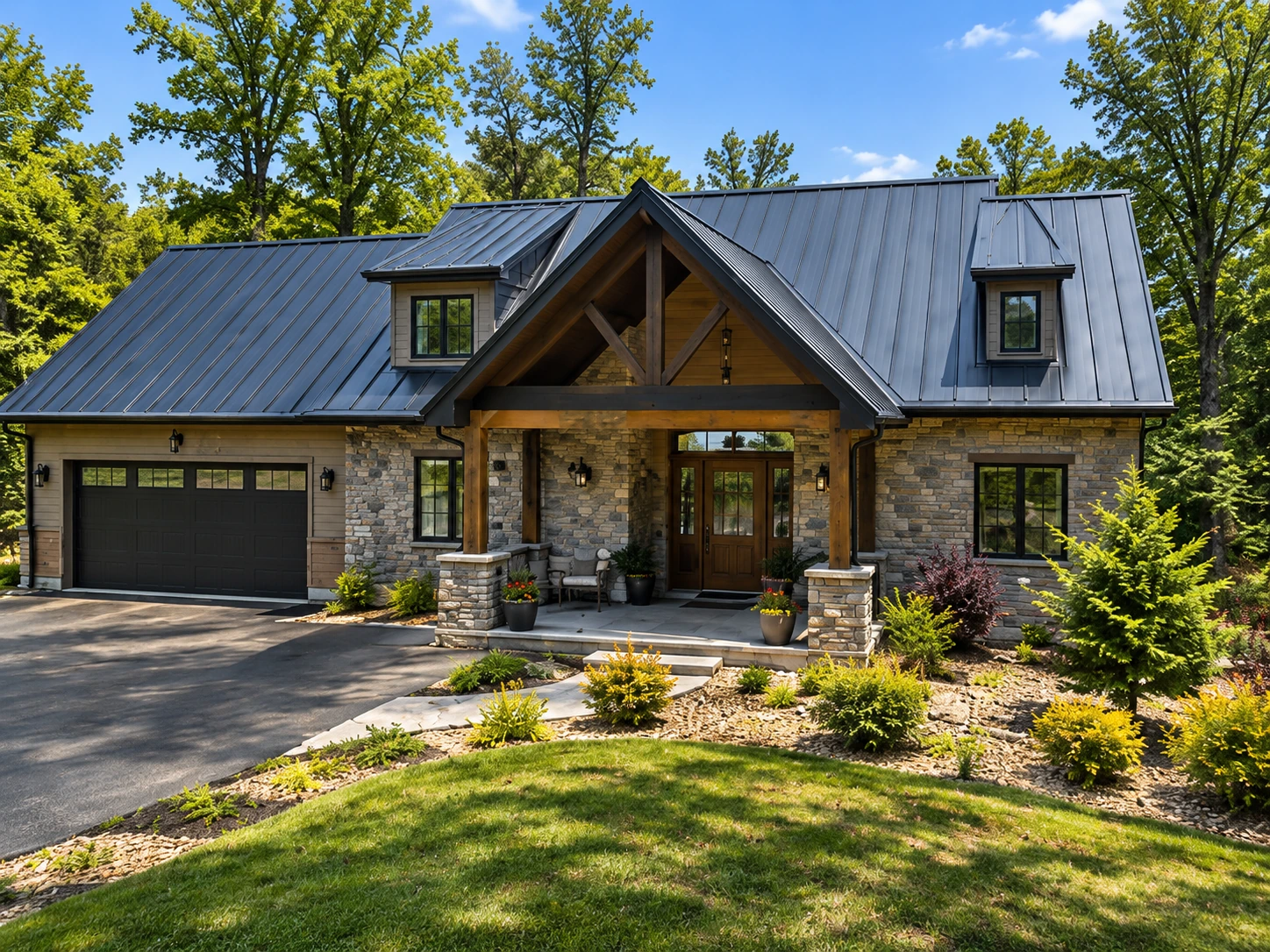
The roof area matters, but it is only one part of the final number. The largest cost differences usually come from the system specification and how difficult the roof is to build correctly.
- Metal gauge and finish. Residential standing seam commonly uses 26-gauge or 24-gauge steel. Heavier material and premium coatings can increase material cost.
- Roof geometry. Valleys, dormers, skylights, chimneys, wall transitions and multiple roof planes require more cutting, trim and labor.
- Pitch and access. Steeper roofs and limited staging access generally require more labor and safety planning.
- Tear-off and decking. Existing roof removal, disposal and damaged roof decking are separate scope items that can materially change a project.
- Trim and flashing. Rake, eave, ridge, valley, wall, chimney and penetration details are critical parts of the weatherproofing system—not cosmetic extras.
- Panel profile and locking system. Snap-lock and mechanically seamed systems have different installation requirements and may be specified differently based on the property and exposure.
Planning by roof size
The examples below use the same broad $12–$20+ per-square-foot planning range. They are useful for early budgeting, but they are not quotes and do not account for every roof condition.
These are broad planning figures only. Actual RRMasters pricing follows roof measurements, condition, material selection and confirmed scope.
Standing seam compared with other roof systems
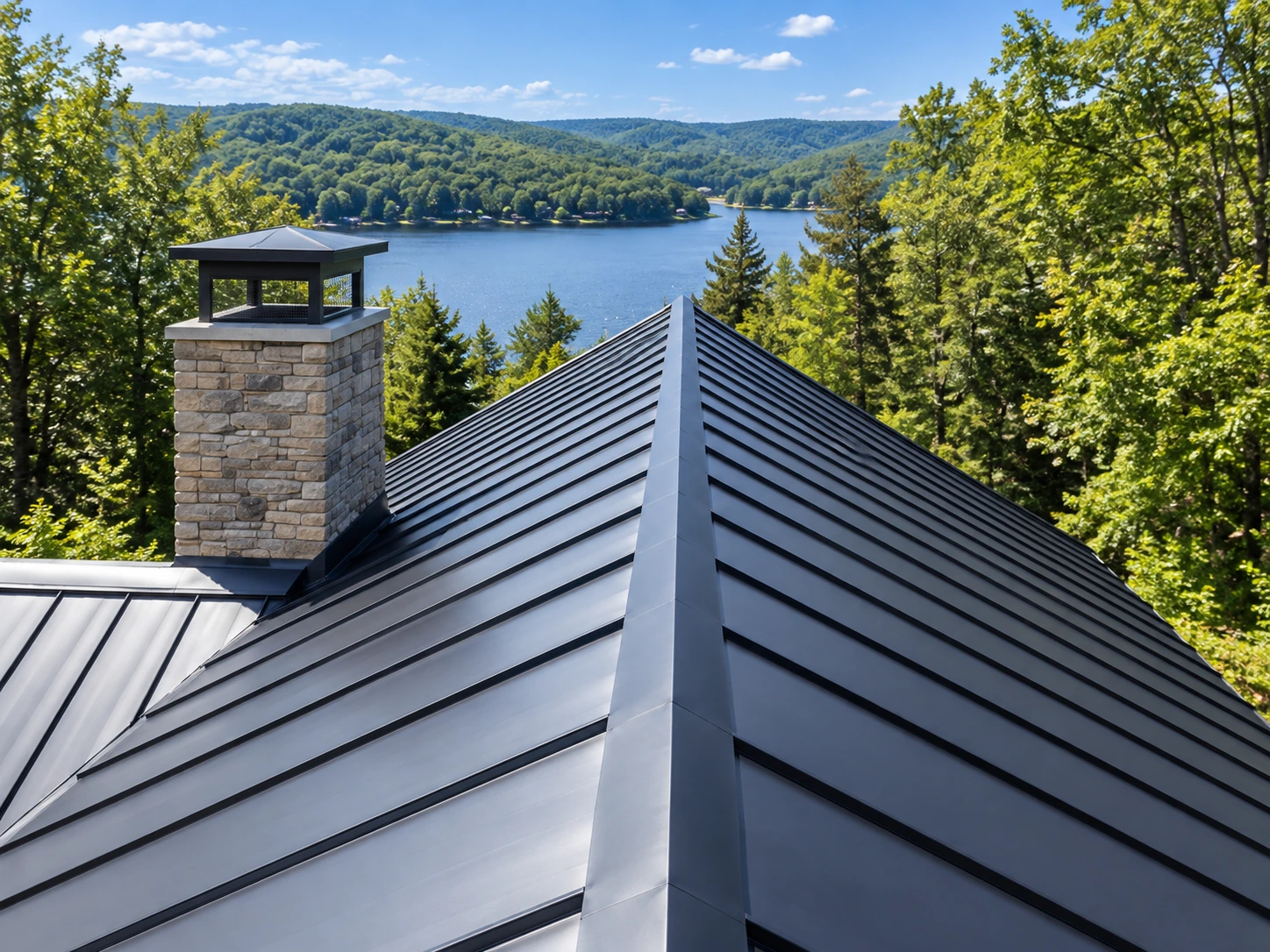
Standing seam is not automatically the right system for every property. Architectural asphalt shingles typically require a lower upfront investment. Exposed-fastener metal can also cost less initially. Standing seam is usually considered when the owner values concealed fastening, an architectural appearance and a long-term metal roof system.
Service life is influenced by material, coating, installation quality, roof design, environment and maintenance. For that reason, RRMasters does not present one universal lifespan number as a guarantee for every standing-seam roof.
What about energy savings, insurance and resale value?
Those benefits should be treated carefully. Reflective metal finishes and properly designed roof assemblies can reduce heat gain under certain conditions, but energy savings vary by climate, insulation, ventilation, color and building design. Some insurers may offer discounts for qualifying roof materials or impact ratings, but discounts are carrier- and policy-specific. Resale impact also depends on the property and local market.
For those reasons, RRMasters recommends evaluating the roof first as a weather-protection and building-system investment rather than assuming a guaranteed insurance discount, energy percentage or resale return.
How long does installation take?
Many residential standing-seam projects are completed over several working days, but scheduling depends on roof size, complexity, tear-off, decking repairs, material lead time and weather. A project-specific schedule should be established after the scope and material order are confirmed.
Questions to ask when comparing standing-seam proposals
- What gauge and coating are being proposed?
- Is the panel system snap-lock or mechanically seamed?
- Does the scope include tear-off and disposal?
- How is damaged decking handled and priced?
- What underlayment, ice-and-water protection and ventilation are included?
- How are valleys, walls, chimneys, skylights and other penetrations detailed?
- Are trim, flashing and accessories included in the written scope?
- What material and workmanship warranties apply?
- Is the contractor appropriately insured and qualified for the work being proposed?
The best next step
A roof measurement alone cannot show every condition that affects standing-seam pricing. RRMasters starts with the property, documents the existing roof and defines the system before final pricing.
Start with the actual roof.
Request an inspection or use the instant estimate to begin planning your project.