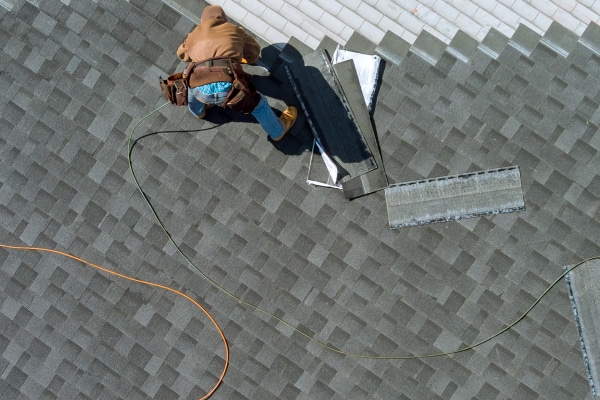
Filing a Roofing Insurance Claim: A Step-by-Step Guide for Property Owners
Insurance claims don't have to be overwhelming. Follow this roadmap to get your roof repaired or replaced with minimal stress.
SECTION 1: WHY INSURANCE CLAIMS GET DENIED
Insurance companies deny roofing claims for common, avoidable reasons.
- Lack of documentation (no photos or dates)
- Delayed reporting (waiting too long after the storm)
- Failure to prove the damage was sudden and accidental
- Pre-existing wear and tear mistaken for storm damage
- Missing the policy's filing deadline
The good news: With the right preparation and professional help, most legitimate claims are approved.
SECTION 2: DOCUMENT EVERYTHING IMMEDIATELY
Start documenting the moment it is safe to do so. This is the single most important factor in a successful claim.
What to document:
- Take wide photos of your entire roof from ground level
- Capture close-up shots of all visible damage (missing shingles, dents, cracks)
- Photograph interior damage (water stains, wet drywall, damaged ceilings)
- Take videos showing the extent of the damage
- Note the date, time, and weather conditions when damage occurred
- Save any weather reports or storm alerts from that date
Pro tip: Do not attempt temporary repairs until after you have taken photos. Insurance adjusters need to see the original damage.
SECTION 3: REVIEW YOUR POLICY BEFORE YOU CALL
Know what your policy covers before you contact your insurance company.
Key questions to answer:
- What is my deductible? (typically 500to
- 500to2,000 or a percentage of home value)
- Does my policy cover replacement cost or actual cash value?
- Is wind damage specifically included or excluded?
- Does my policy have a separate hurricane deductible?
- What is my deadline for filing a claim? (often 180 days but sometimes as little as 30 days)
- Does my policy cover temporary tarping and emergency repairs?
Important tip: Actual cash value policies factor in depreciation. Replacement cost policies pay for a new roof of similar quality. Replacement cost is significantly better for property owners.
SECTION 4: CONTACT YOUR INSURANCE COMPANY PROMPTLY
Most policies require you to report damage within a specific timeframe. Do not delay.
When you call, have ready:
- Your policy number
- The date of the storm or incident
- A brief description of the damage
- Your contact information and address
What to ask during the call:
- What is my claim number?
- When will an adjuster be assigned?
- Do I need to get estimates before the adjuster visits?
- Is emergency tarping covered while I wait?
Red flag: If the insurance representative tries to discourage you from filing a claim, politely insist on filing. Some carriers try to reduce claim volume. You pay for coverage. Use it.
SECTION 5: GET A PROFESSIONAL ASSESSMENT
Have a licensed roofing contractor inspect the damage before the insurance adjuster arrives.
A professional assessment should include:
- A complete written estimate with line-item pricing
- Photos of all damage identified
- Measurements of roof area and slopes
- Documentation of any code upgrades required
- A comparison to your insurance policy's coverage
Why this matters: Contractors who work with insurance claims daily know what adjusters look for. They will find damage you might miss and document it properly.
RRMasters approach: We provide a detailed assessment at no charge and will attend the adjuster's visit on your behalf.
SECTION 6: BE PRESENT FOR THE ADJUSTER'S VISIT
When the insurance adjuster comes to inspect your property, do not let them go alone.
Best practice:
- Have your roofing contractor present during the inspection
- Walk the roof together if safe to do so
- Point out all damage your contractor identified
- Take your own photos during the inspection
- Ask questions about anything the adjuster notes
- Get a copy of the adjuster's report if possible
Why this matters: Adjusters are human and can miss damage. Having a second set of eyes (especially a contractor who works with insurance daily) ensures nothing is overlooked.
Investor note: If you own multiple properties, be present for each inspection or designate a property manager to attend. Do not rely on adjusters to self-report.
SECTION 7: UNDERSTAND YOUR POLICY'S DETAILS
Many property owners only understand their policy after a disaster. Do not let that be you.
Common coverage gaps to watch for:
- Wind-driven rain: Some policies only cover wind damage, not water that enters through openings
- Cosmetic damage: Dings or dents that do not leak may not be covered
- Ordinance or law upgrades: If codes changed since your roof was installed, you may pay the difference
- Matching exclusions: Insurers may only replace damaged slopes, not entire roof
- Maintenance exclusions: Leaks from lack of maintenance are not covered
Investor tip: Request a matching endorsement for rental properties. This ensures your entire roof looks uniform after repairs, which matters for curb appeal and tenant retention.
SECTION 8: WHAT TO DO IF YOUR CLAIM IS DENIED OR UNDERPAID
A denial is not the end of the road. You have options.
Steps to take:
- Request the denial reason in writing
- Review your policy to see if the denial matches the terms
- Ask your contractor to provide additional documentation
- Request a reinspection from the insurance company
- Hire a public adjuster (they work for you, not the insurer)
- File an appeal or complaint with your state insurance department
When to hire a public adjuster: Public adjusters typically charge 5% to 15% of the settlement but can recover significantly more than you would alone. For claims over $20,000, they are often worth the cost.
SECTION 9: AVOID THESE COMMON MISTAKES
Property owners make the same errors year after year.
Mistakes to avoid:
- Waiting too long to file (deadlines pass quickly)
- Making permanent repairs before the adjuster sees the damage
- Accepting the first settlement offer without negotiation
- Hiring a contractor who does not work with insurance claims
- Signing a contract that assigns your insurance benefits to the contractor
- Forgetting to claim code upgrade coverage if your policy includes it
Warning: Never sign an Assignment of Benefits (AOB) agreement without legal review. Some contractors use AOBs to control your claim and inflate costs.
KEY TAKEAWAYS
- Document everything immediately with dated photos and videos
- Review your policy before filing to understand coverage and deadlines
- Contact your insurance company promptly and get a claim number
- Hire a licensed contractor to inspect and attend the adjuster's visit
- Be present when the adjuster inspects your property
- Understand the difference between replacement cost and actual cash value
- Do not accept a denial as final without appealing
- Avoid storm chasers and Assignment of Benefits agreements
CTA: RRMasters has extensive experience working with insurance companies throughout the Mid-Atlantic. We will inspect your roof, document all damage, and stand beside you during the adjuster's visit. Call us at (301) 395-3057 to schedule your insurance claim assessment.